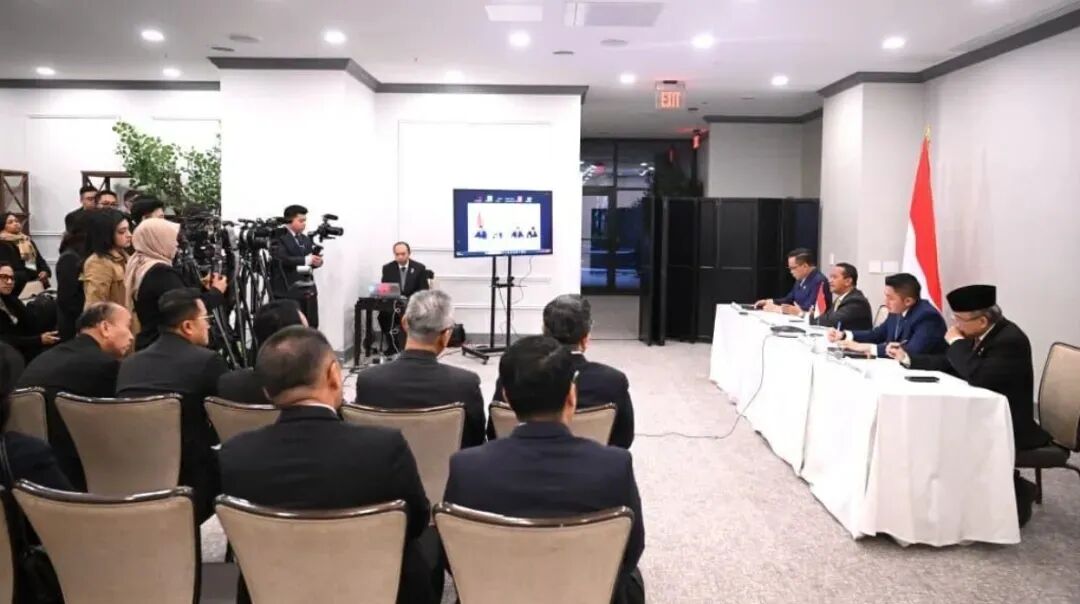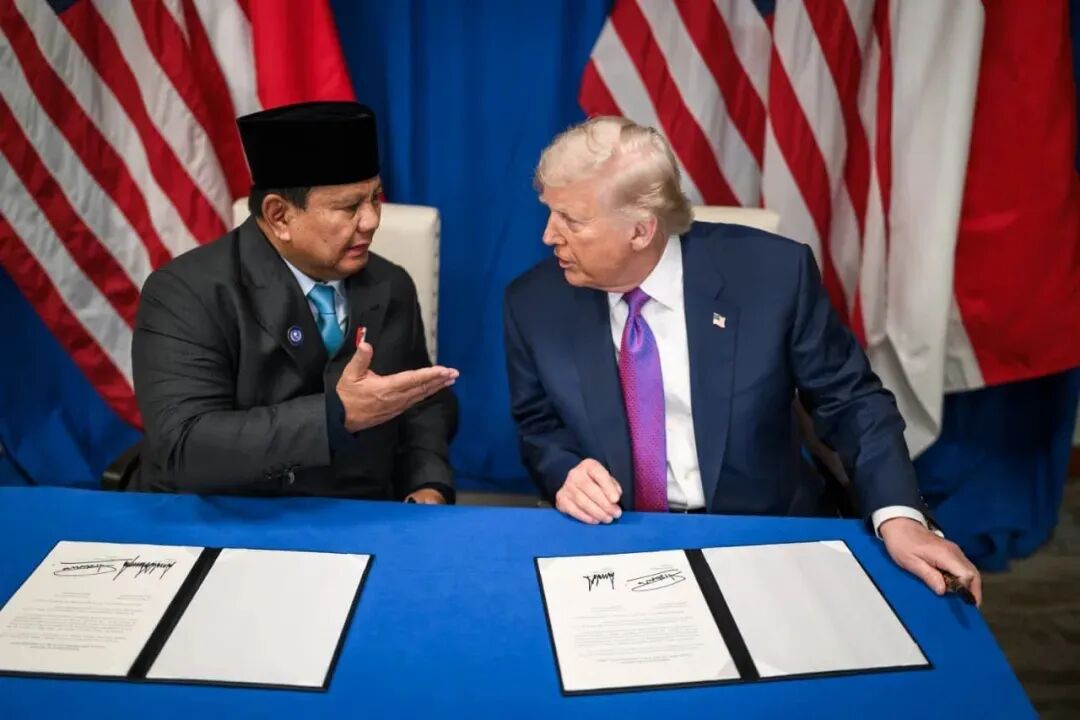
On February 19, 2026, President Prabowo Subianto of the Republic of Indonesia and President Donald Trump of the United States signed a historic reciprocal trade agreement in Washington, D.C., USA. Under the agreement, 1,819 Indonesian products exported to the United States will enjoy zero-tariff treatment, covering multiple sectors including agricultural products, textiles and apparel, and electronic components.
Zero-Tariff Product List: These Goods Enter the U.S. Duty-Free
1. Agricultural Products and Commodities
This is the sector with the most concentrated zero-tariff benefits, including Indonesia’s competitive export products:
- Palm Oil: Core product of the world’s largest producer receives duty-free treatment
- Coffee and Cocoa: As a major global exporter, Indonesia will see tariffs on these two products eliminated
- Spices: Various unique Indonesian spice products enter the U.S. market duty-free
- Natural Rubber: Important industrial raw material included in the duty-free list
2. Textiles and Apparel
Treatment: 0% tariff through the tariff quota system. The duty-free quota will be determined based on the quantity of textile raw materials such as cotton and man-made fibers that Indonesia imports from the United States.
Impact: Will benefit approximately 4 million workers in Indonesia’s textile industry, supporting around 20 million family members.
3. Industrial and Electronic Components
- Electronic Components: Some products, including semiconductors, receive zero-tariff treatment
- Aircraft Parts: Explicitly mentioned in the agreement as eligible for duty-free treatment
4. Special Note on Footwear and Luggage
Important Clarification: Footwear and luggage products do not qualify for zero-tariff treatment. Instead, they will be subject to a 19% reciprocal tariff (a reduction from the previous 32%, but still applicable).
Agreement Background: A New Milestone in U.S.-Indonesia Cooperation
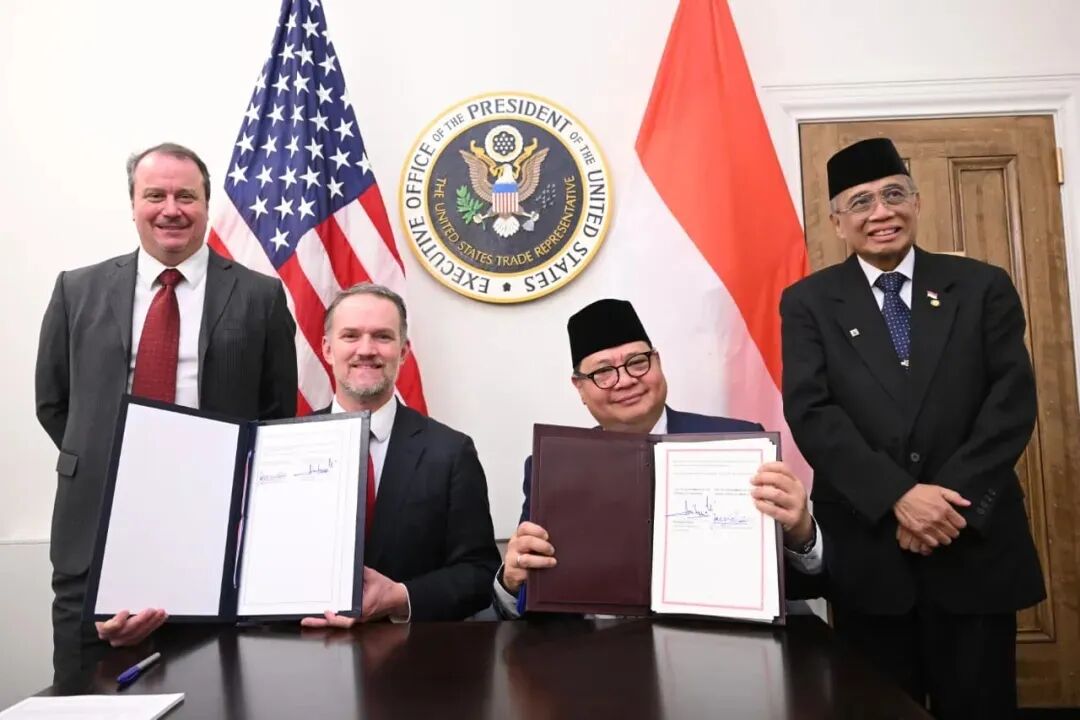
In a written statement, Cabinet Secretary Tedi Indera Wijaya stated that this agreement is a reciprocal trade pact between Indonesia and the United States aimed at promoting mutually beneficial economic cooperation. Both leaders expressed satisfaction with the prompt and sustained actions taken by the two countries and reaffirmed their unwavering commitment to implementing this landmark agreement.
President Prabowo and President Trump expressed hope that the implementation of this agreement will strengthen economic security, drive domestic economic growth in both nations, and make positive contributions to global economic stability and prosperity.
Notably, President Prabowo was the only head of state to hold a one-on-one bilateral meeting with President Trump on that day, fully demonstrating Indonesia’s status as a key strategic partner of the United States in the Indo-Pacific region.
Establishment of Trade and Investment Council
Another significant achievement of the agreement is the establishment of a Trade and Investment Council as the primary economic dialogue forum between the two countries. All future investment and trade issues that experience excessive price increases or are deemed likely to affect the balance of payments of both nations will first be discussed within this council.
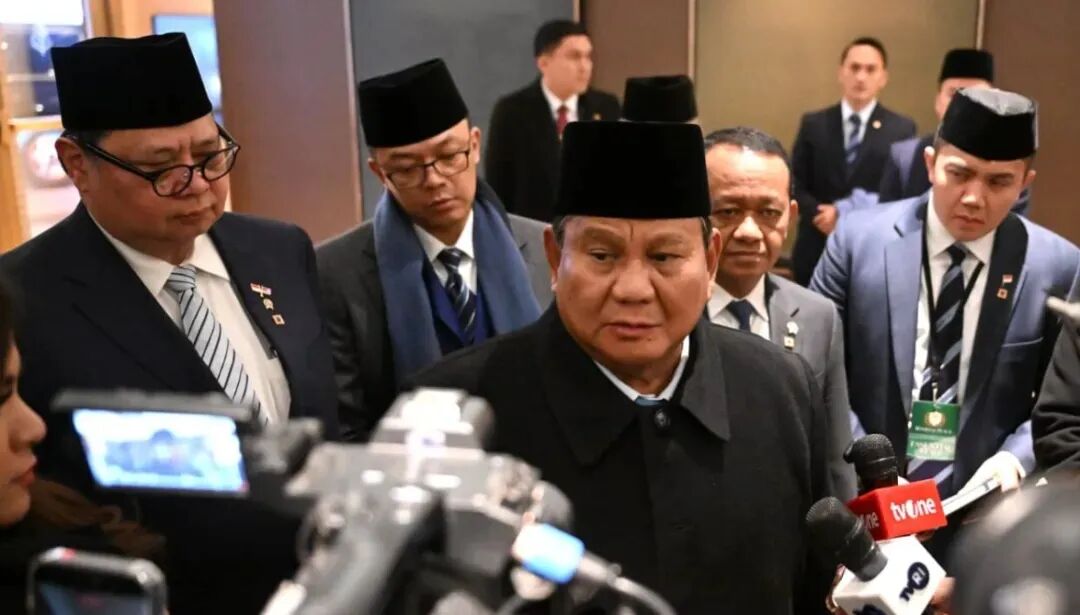
Coordinating Minister for Economic Affairs Airlangga Hartarto stated that the agreement aims to achieve shared economic prosperity, strengthen supply chains, and respect national sovereignty. As part of the reciprocity, Indonesia has also committed to granting zero-tariff treatment to certain major U.S. products, particularly agricultural goods such as wheat and soybeans, ensuring that people do not bear additional costs when purchasing these items.
Indonesia’s Investment Advantages Continue to Unfold
Cabinet Secretary Tedi indicated that through this agreement, the tariff rate on Indonesian exports has decreased from 32% last year to 19%, with some products seeing tariffs eliminated entirely. The agreement will take effect 90 days after both parties complete legal procedures, including consultations with Indonesia’s parliament.
With the signing and implementation of this historic agreement, Indonesia’s investment appeal as the largest economy in Southeast Asia will be further enhanced. A stable policy environment, continuously improving trade conditions, and broad market prospects are creating unprecedented opportunities for global investors. The dawn of this “New Golden Age” of U.S.-Indonesia relations also marks a new starting point for Indonesia’s economic takeoff, deeper regional cooperation, and joint creation of a prosperous future.