
Recently, the film Love Letter to Grandma held its successful premiere in Jakarta, Indonesia. Its heartfelt story of overseas‑Chinese hometown bonds has sparked extensive discussions among the local Chinese community. To carry forward the Nanyang overseas‑Chinese spirit and deepen China‑Indonesia cultural exchanges, Wanda Industrial Park within Batang National Economic Special Zone of Indonesia hosted a private special screening at 19:45 on August 7. Distinguished guests from Chinese and Indonesian political, business and industrial circles, together with local Cantonese‑origin compatriots and representatives of overseas Chinese in Jakarta were invited to attend. Using film as a medium, the event revisited the arduous years of overseas‑Chinese striving, conveying homeland affection and the sense of responsibility of Chinese enterprises operating overseas.
As a representative Chinese enterprise with years‑long footprint in Indonesia, Wanda Group has long‑rooted its operations locally. Leveraging the platform of Batang National Economic Special Zone Industrial Park, it focuses on real‑economy development and facilitates bilateral economic and trade cooperation. While steadily advancing its industrial layout and deepening China‑Indonesia industrial synergy, the enterprise stays committed to its cultural mission, proactively building bridges for cultural exchanges between the two nations, and delivering on the social responsibilities of Chinese overseas‑operating enterprises through concrete actions.
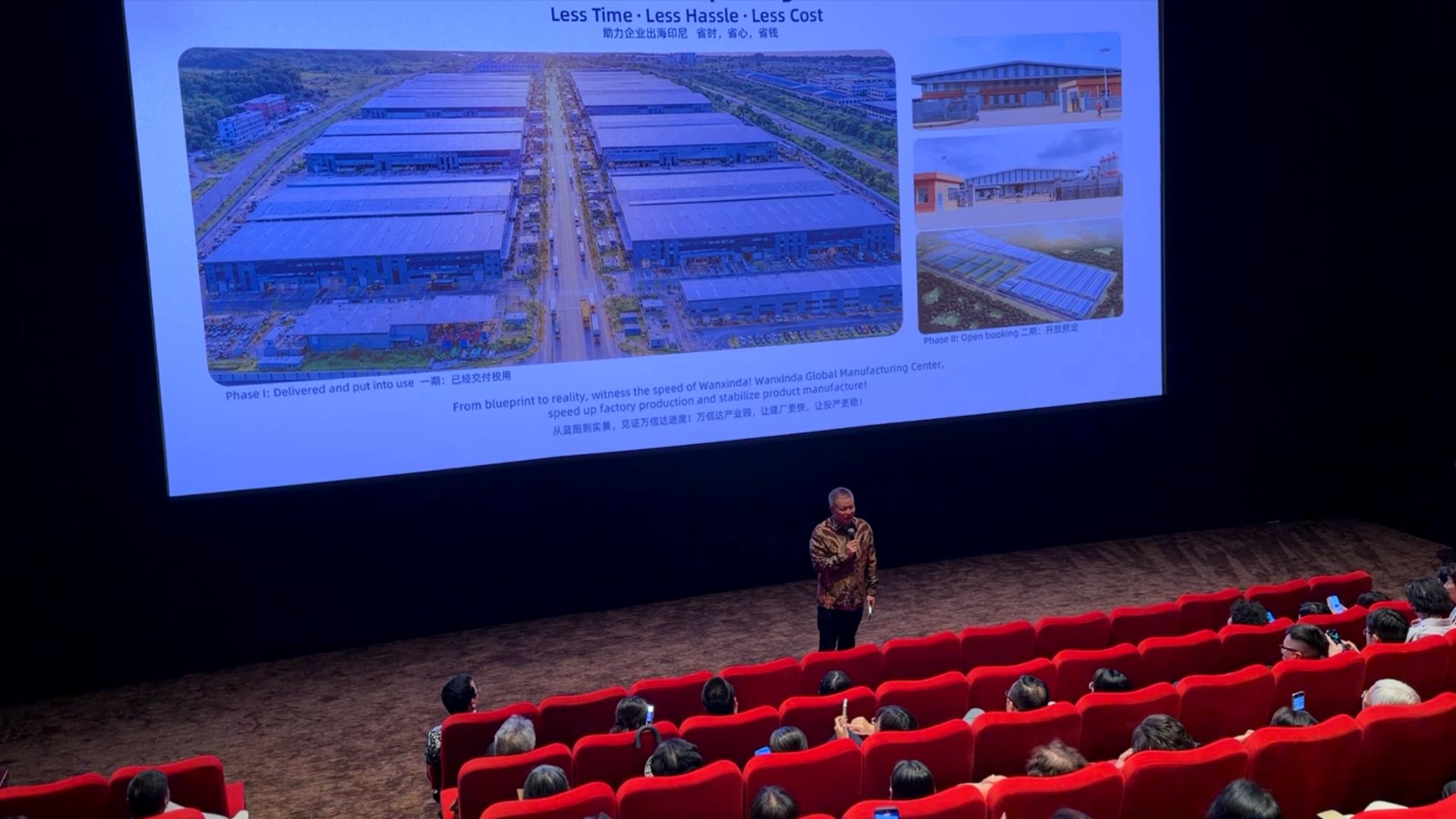
Centered on the Qiaopi (overseas‑Chinese correspondence) culture, the screened film Love Letter to Grandma depicts the struggles of older‑generation overseas Chinese who ventured to Nanyang. It authentically reconstructs touching episodes of these compatriots crossing vast oceans, making a living amid hardships, yet always keeping their homeland close to heart. The movie profoundly interprets the cherished virtues of Nanyang overseas Chinese: integrity, loyalty, resilience and perseverance, alongside their profound affection for home country. Its sincere plot struck a powerful chord among the audience on site.
Chen Riling, Chairman of Wanda Group Indonesia, attended the event and gave an interview. He noted that although stories of Chinese migrants to Nanyang are widely known, high‑quality film adaptations of such narratives remain rare. This moving film reconstructs the struggles and perseverance of past generations, bearing great significance for commemoration and cultural inheritance. He emphasized that while overseas Chinese build lives and careers in foreign lands, their blood ties keep them rooted in their motherland. Such homeland sentiments constitute the core confidence that underpins enterprises’ stable growth overseas.
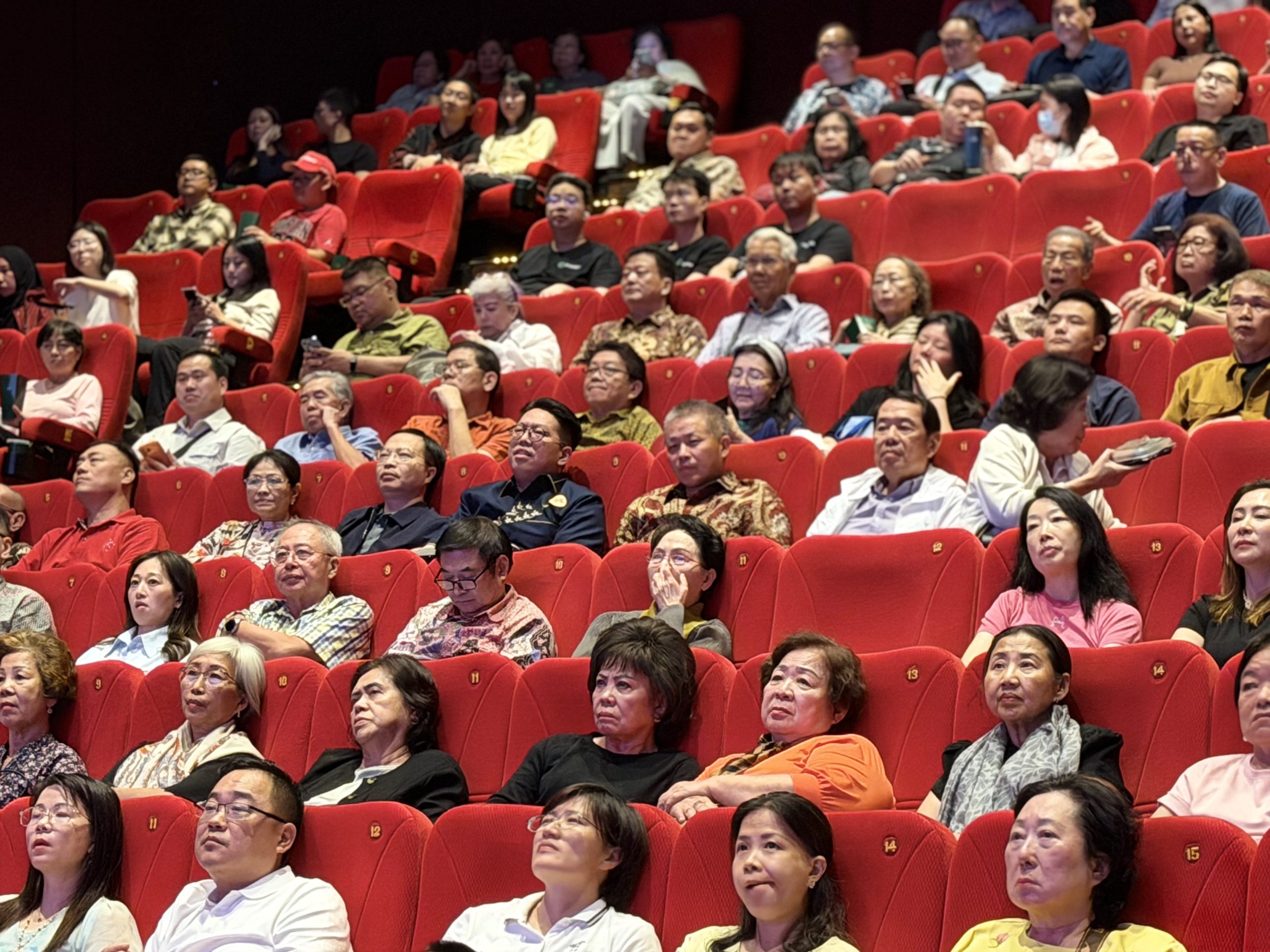
United by shared aspirations and human compassion, this screening stands as a vivid example of Wanda Group empowering corporate development through culture and advancing people‑to‑people bonds between China and Indonesia. Going forward, the Group will remain grounded in the real economy, further consolidate its presence in the Indonesian market, and expand bilateral economic‑trade and industrial collaboration. It will continue to function as a cultural bridge: empowering partnerships through industrial commitment and uniting communities with cultural warmth. Working hand‑in‑hand with partners from all sectors, Wanda will forge ahead to foster a new chapter of win‑win progress for China‑Indonesia economic, trade and cultural ties.
