
Against the backdrop of accelerating global layout, the Southeast Asian market has become a key destination for many enterprises going global. Among them, Indonesia, with its solid economic fundamentals and ongoing industrial upgrading, has unleashed considerable opportunities for cooperation and development. Drawing on Indonesia’s latest official trade data, we can clearly identify the real demands of the local market, providing practical references for global layout.

Indonesia’s economy demonstrates strong resilience, maintaining a long-term trade surplus and stable foreign exchange reserves, which lays a solid foundation for market development. Meanwhile, the country is shifting from resource dependence to industrialization, with growing demand for manufacturing and infrastructure construction. China-Indonesia trade cooperation has also deepened continuously, evolving from traditional trade exchanges to industrial synergy, creating precise docking opportunities for Chinese enterprises.
I. Indonesia’s Export Structure: Upgrading from Resource Exports to Deep Processing
On the export side, Indonesia has moved beyond relying solely on primary resource exports and is transforming toward resource deep processing, with three core categories standing out:
Deep-Processed Resource Products
Nickel and related products, inorganic chemicals, stainless steel, among others, have seen remarkable growth. Driven by the country’s policy of downstreaming mineral resources, Indonesia holds an important position in the global new energy and stainless steel industrial chains, with steady demand in supporting service sectors.
Bulk Agricultural Products and Energy
Palm oil, coal and other commodities enjoy rigid demand, serving as a major pillar of Indonesia’s foreign exchange earnings. Related sectors such as deep processing, warehousing, logistics and supply chain management boast long-term development potential.
Forest Products and Industrial Intermediates
Wood pulp, cellulose, basic organic chemicals and other products are growing steadily. Leveraging local resource advantages, there are sustained cooperation opportunities in raw material supply and primary processing.
Overall, Indonesia is emerging as a key global supplier of manufacturing raw materials. Supporting cooperation around the resource deep processing industry features low risks and stable orders.
II. Indonesia’s Import Demand: Three Major Gaps Driven by Industrialization and Urbanization
Import data directly reflect Indonesia’s essential development needs. With advancing industrialization and rapid urbanization, distinct demand gaps have emerged in the local market:
Strong Demand for Capital Goods
Imports of industrial machinery, production equipment, new energy production lines and other items have surged. Constrained by underdeveloped local manufacturing capacity, there is an urgent need for equipment supply, technology export and operation and maintenance services.
Dependence on Imports for Raw Materials and Intermediates
Supply shortages exist in special steel, industrial plastics, fine chemicals and other fields, with gaps in the intermediate links of the industrial chain. Localized supporting processing has become a pressing market demand.
Prominent Consumer Goods Upgrading Demand
Infrastructure development has boosted residents’ purchasing power. Cost-effective products such as smart home appliances, new energy living facilities and modular buildings align with the local trend of consumption upgrading.
It is fair to say that China’s mature industrial system and product solutions precisely match Indonesia’s diverse industrialization needs, offering vast potential for localized landing.
III. Going Global in Indonesia in 2026: Three Practical Landing Directions
Based on market data and industrial conditions, the following three directions feature high feasibility and development certainty:
Supporting Services for Resource Deep Processing
With the continuous expansion of nickel smelting, stainless steel manufacturing and other industries in Indonesia, gaps remain in supporting sectors such as equipment maintenance, customized chemical supply, and local processing of precision parts. Providing nearby supporting services relying on industrial clusters can ensure stable cooperation and payment collection.
Localized Supply Chain Layout
Amid trade policy adjustments, the profit margin of the pure trading model has narrowed, while the rapid expansion of local manufacturing has raised demand for localized supply chains. Relocating mature domestic links such as primary processing and component assembly to Indonesia can leverage local resources and tariff advantages to expand market space.
Coordinated Layout of Infrastructure and Consumption
Driven by Indonesia’s capital relocation plan and national infrastructure development, coupled with the consumption upgrading trend, Chinese solutions including smart home appliances, energy storage equipment and modular buildings enjoy distinct competitiveness, which can simultaneously connect infrastructure projects and people’s livelihood consumption demands.
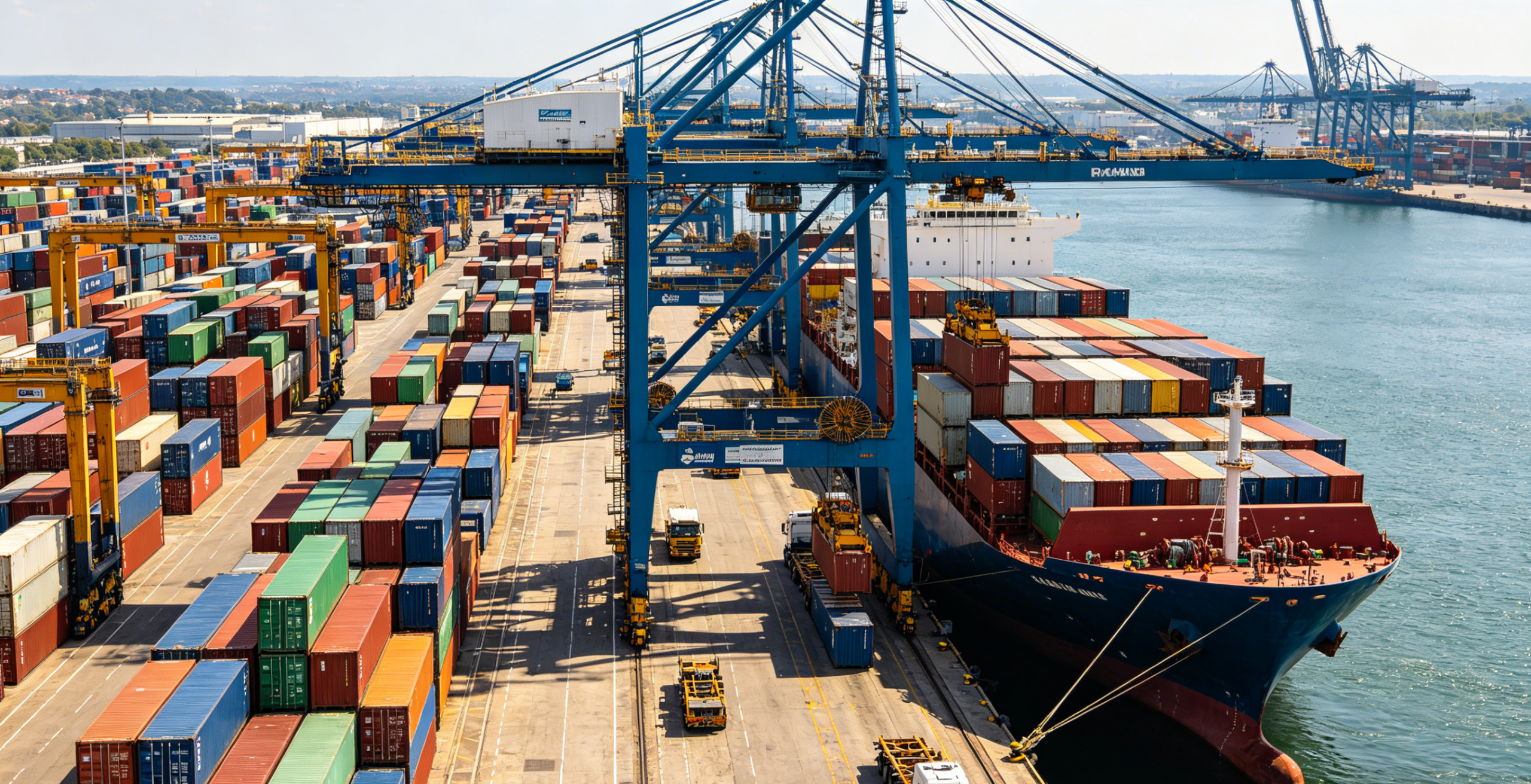
Indonesia’s industrial gaps are precisely the advantages of Chinese enterprises going global. The core logic of investing in Indonesia in 2026 is not to chase short-term trends, but to carry out practical on-the-ground cooperation based on official data and market demand, and seize the long-term dividends brought by local industrialization and urbanization.
